Containing Migration
A stop-gap plan and a mid-term strategy

Uncontrolled mass migration is a growing problem for Europe, which has led to the overburdening of its societies with many negative consequences. A strategy for its containment is urgently needed.
An important element in containing migration are migration centers outside the EU, which I first proposed in various countries and at high-level EU meetings in 2017. The aim is to prevent migrants from illegally reaching mainland Europe by carrying out an organized immigration process beforehand. The Italian "centri per migranti" currently being implemented in Albania are a first, not yet perfect example of this.
In a recent interview for the Austrian Servus TV, I argued that Italian Prime Minister Giorigia Meloni will push through her plan to establish such "migration centers" in Albania. If migrants from safe countries of origin are consequently transported to this camp, a drastic reduction of departures to Italy can be expected. This will lead to a shift of migrant routes from the central Mediterranean to Greece and Spain. Consequently, it will be necessary for the EU to implement the "migration center model" along its entire southern border.
But to be clear, "migration centers" are only a "stop-gap" plan. For a lasting containment of mass-migration towards Europe the living circumstances in the countries of origin must be improved significantly. A well-defined “Strategy for the Stabilization of Africa” should be a centerpiece of European plans.
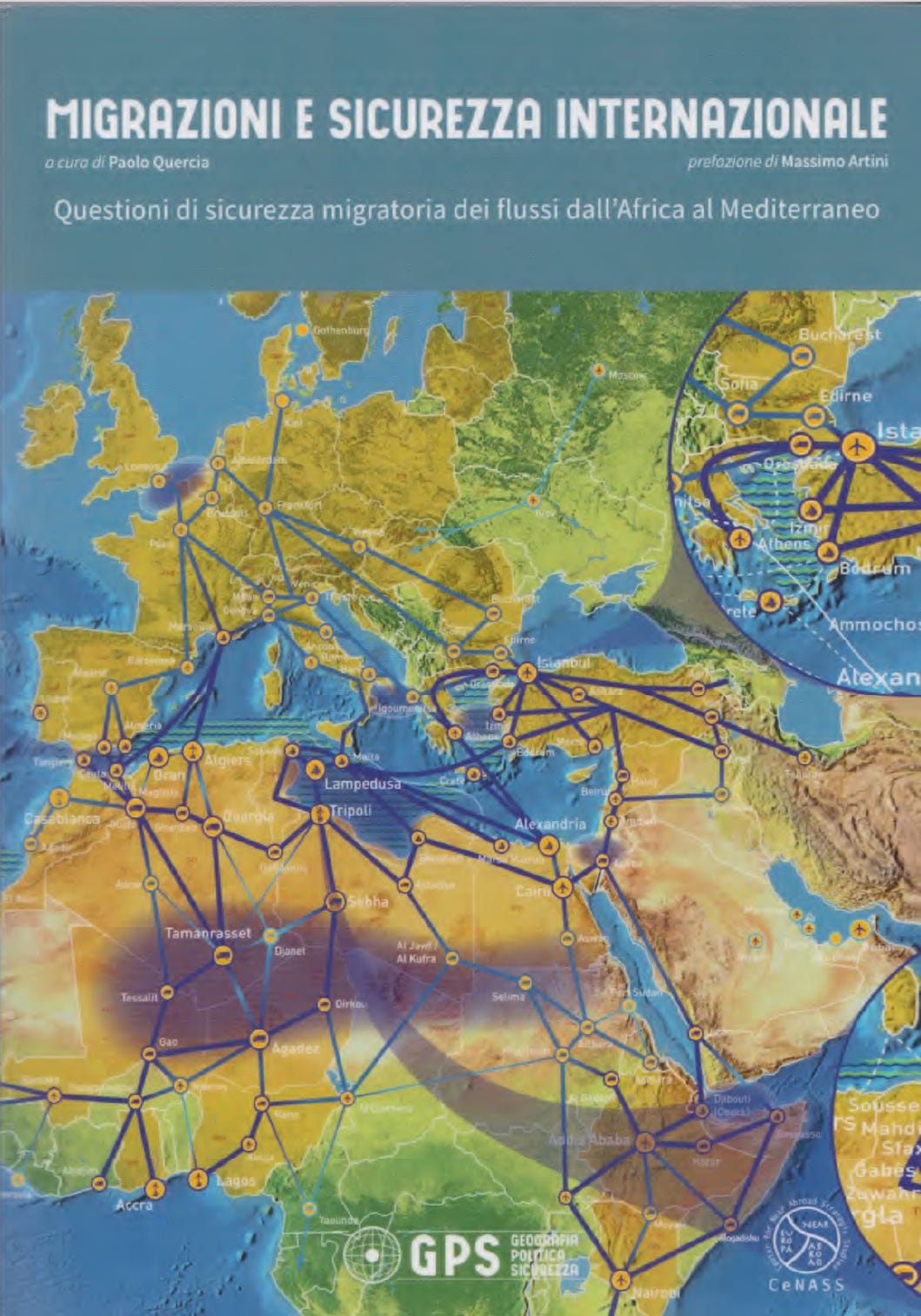
In my contribution to a study for the Italian Ministry of Foreign Affairs in 2016/17, I outlined a three-stage medium-term strategy to permanently contain migration from Africa and stabilize the continent.
The facts are:
To permanently contain mass migration to Europe, addressing the root causes of migration is paramount, along with measures at the EU's external borders and within the EU, and a legal immigration process.
There is no way to stabilize the countries of origin if the "multipliers" of destabilization and emigration are not successfully addressed.
There are never enough resources to solve all the problems at once.
Therefore, the strategy consists of three phases and a concept for "Refugee Safety Zones".
Phase 1: Containing the “multipliers” of destabilization (population growth, environmental protection, corruption,) and improving good governance
Phase 2: Stabilization through broad-impact projects
Phase 3: Narrowing the gap to the developed world
In addition, it is necessary to establish UN-administered "Refugee Safety Zones" (RSZ) in crisis areas.
Essential elements of this strategy can be found in the Italian "Matteo Plan for Africa". However, Italy alone does not have the resources to implement the entire strategy.
